Another Be Better Golf video filled with misinformation
Watch the folowing BBG video.
In this video, Brendon is talking with Dana Dahlquist about swing speed and
the question about whether restricting the motion of the lead wrist towards
extension through impact will decrease a golfer's ability to maximise his
clubhead speed at impact. Brendon starts off the video by stating that if a
golfer prevents the lead wrist from moving towards extension through impact
by trying to prevent the clubshaft from bypassing his lead arm soon after
impact, that it will result in a decrease in potential clubhead speed. Dana
agrees with Brendon, but I think that they are both wrong because they think
that going through impact with a bowed lead wrist and a bent trail wrist to
P7.2 - P7.4 means that the golfer is using a handle-dragging swing
technique.
That's obviously not true!
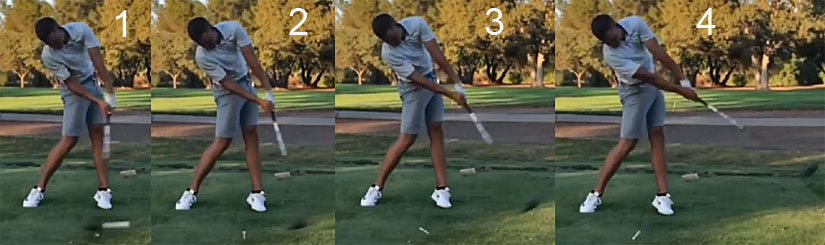
Here are capture images of Cameron Champ's hand release action when swinging a
driver.
Image 1 is at P7, image 2 is at P7.2 and image 3 is at P7.4.
Note that CC has a slightly bowed lead wrist at impact and he does not allow his lead wrist to move towards extension to such a degree that it will allow the clubshaft to bypass his lead arm (from an angular rotational perspective) between P7 => P7.4. Note that CC also maintains a significantly bent trail wrist all the way between P7 => P7.4. These two biomechanical features would be seen in a golfer who uses a handle-dragging swing technique, but their presence does not automatically mean that the golfer is handle-dragging - because these two biomechanical features are also seen in a pro golfer who uses a DH-hand release action (like CC). Cameron Champ is one of the longest drivers in the PGA tour and he is definitely not using a handle-dragging swing technique for his driver swings.
Here are capture images of Milo Lines driver swing.
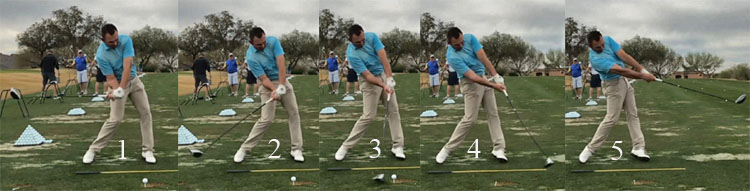
Image 3 is at P7 and image 4 is at P7.4.
Note that his clubshaft does not bypass his lead arm (from an angular rotational perspective) between P7 => P7.4. Because Milo uses a very strong lead hand grip, the back of his lead wrist is facing the ball-target line at impact and it is not facing the target. Therefore, one would expect his lead wrist to move towards a greater degree of ulnar deviation, and not towards a greater degree of extension, if he was allowing his club to bypass his lead arm in a "free" (unrestricted) manner through impact - as favored by Brendon/Dana. However, that is not happening. Milo's lead wrist is more ulnar-deviated at P7.4 compared to P7, but the amount is very small and it does not allow his clubshaft to bypass his lead arm (from an angular rotational perspective). However, that does not mean that Milo is a "handle-dragger"! Milo is an extremely long driver of the golf ball and he is obviously not using a handle-dragging golf swing technique. He is using a DH-hand release action, and it is amazing to me that Brendon is incapable of understanding that fact! Note that Milo's trail wrist is more straightened at P7.4 compared to P7, and that is simply due to the fact that he is "running-out-of-trail arm" due to insufficient flexibility.
Astonishingly, Brendon claims that Viktor Hovland is allowing his lead wrist to freely move towards extension through impact when swinging his driver - see the 6:55 - 7:14 minute time point of the video when he claims that VH has a "high degree of flipping" through impact. Even more astonishingly, Dana agrees with Brendon's misinformed statement!!!!
Here are capture images of Viktor Hovland's hand release action through
impact when swinging a driver.
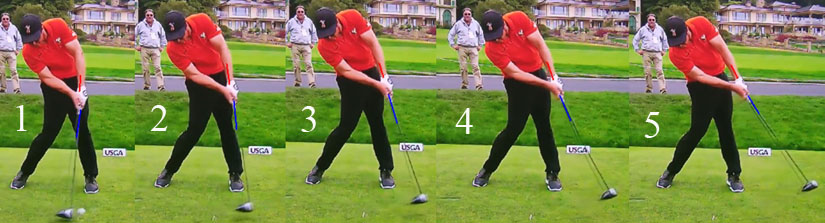
Image 1 is at P7, image 2 is at P7.1, image 3 is at P7.2, image 4 is at P7.3
and image 5 is at P7.4.
I have drawn a red line down the longitudinal axis of his lead forearm and a
blue line down the longitudinal axis of his proximal clubshaft - note that
those two line are straight-line-aligned at every moment between P7 => P7.4
and that there is no "break-down" (flipping motion) of his lead wrist. That
does not mean that VH is a handle-dragger and it simply means that he is
using a DH-hand release action. Also, note that he maintains a significantly
bent trail wrist all the way between P7 => P7.4. Note how efficiently he
moves his trail shoulder downplane between P7 => P7.4 so that he does not
"run-out-of-trail arm" and how that allows him to maintain a slightly bent
trail arm and slightly extended trail wrist all the way to P7.4.
Here are close-up images of Viktor Hovland's lead wrist at P7 and P7.5.
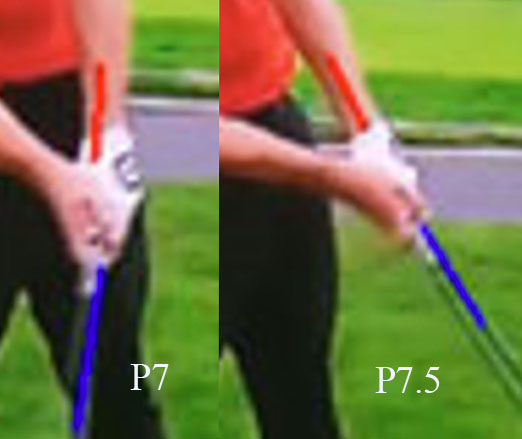
It is frankly obvious that his lead wrist is not moving rapidly towards an increasing degree of extension between P7 => P7.5. How can Brendon/Dana be so misinformed about the "real life" reality of VH's DH-hand release action when swinging a driver? It's astonishing!!!
Watch the video between the 7:15 - 8:31 minute time points when Dana discusses the fact that VH has a low vertical swingplane measurement of 41 degrees when swinging a driver and that his clubhead path is slightly leftwards-directed through impact (~ 3.4 degrees left when swinging a 7-iron). Brendon then wrongheadedly infers that VH's hands are moving leftwards through impact because of of his "high degree of lead wrist flipping" hand release action (watch Brendon's trail hand motion at the 8:26 minute time point of the video where he straightens his trail wrist in a flipping manner). That assertion is totally wrong!!!
Here are capture images of VH's clubhead path post-impact.
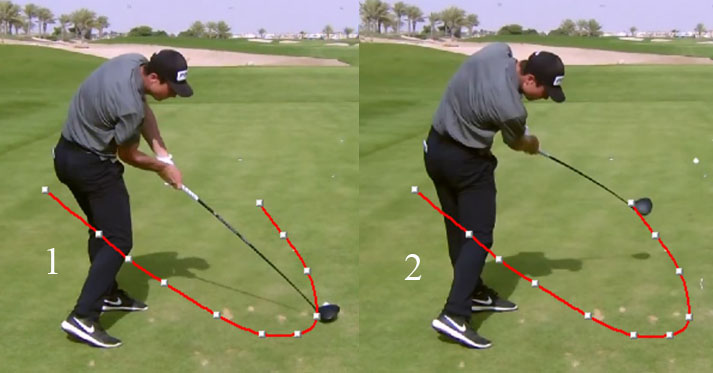
Image 1 is at P7 and image 2 is at P7.4.
Note that his clubhead path moves inside-left post-impact due to the fact that he is using a CP-arm release action. However, note that VH maintains a bent trail wrist all the way between P7 => P7.4 and there is no "flipping motion" of his hands through impact (secondary to increasing lead wrist extension and decreasing trail wrist extension).
Watch the video between the 10:00 - 11:57 minute time point of the video where Brendon wants his lead wrist to move from being palmar flexed at P6 to becoming rapidly more extended through impact. Dana suggests that it can be accomplished by increasing the vertical GRF under the lead foot by P5 so that it can result in a "cracking the whip" motion of the clubshaft after P6. That suggestion is based on the concept of parametric acceleration where an increase in the elevation of the lead shoulder socket (which is the fulcrum point for the motion of the lead arm) that happens secondarily to increasing the vertical GRF under the lead foot (which can potentially increase the "jumping-up" force that happens in the later downswing) can speed up the release of PA#2. That phenomenon is true, but even if a golfer optimises his speed of release of PA#2 secondary to improving his generation of a higher vertical GRF under his lead foot by P5 it does not mean that it will result in a "high degree of flipping motion" of the lead wrist through impact. DHers - like Cameron Champ, Milo Lines and Viktor Hovland - probably have optimised vertical GRF development during the early downswing of their driver swing actions, but they do not flip through impact (which Brendon wrongly calls a "Hovland-style release")!
Another forum member posted the following measurements regarding Viktor
Hovland.
Below are the VH lead wrist measurements from P6.5 =>P7 => P7.2
P6.5
Lead Wrist in ulnar deviation 40.5 degree
Lead Wrist flexion (ie. bowed) 5.5 degrees
Lead Forearm supinated 31.4 degrees
P7 (impact)
Lead Wrist 47.2 degrees ulnar deviation
Lead Wrist extension(ie. cupped) -3.9 degrees
Lead Forearm supinated 45.6 degrees
P7.2
Lead Wrist ulnar deviation 50.2
Lead Wrist extension (cupped) -15.4 degrees
Lead Forearm supination 60.5 degrees
Note that his lead wrist does move towards extension through impact by ~11.5 degrees between P7 => P7.2.
He makes good points!
Although I have often used those specific capture images of VH's DH-hand
release action to suggest that his lead wrist does not move by a large amount in
the direction of extension between P7 => P7.4, other capture images show more
extension - see below.
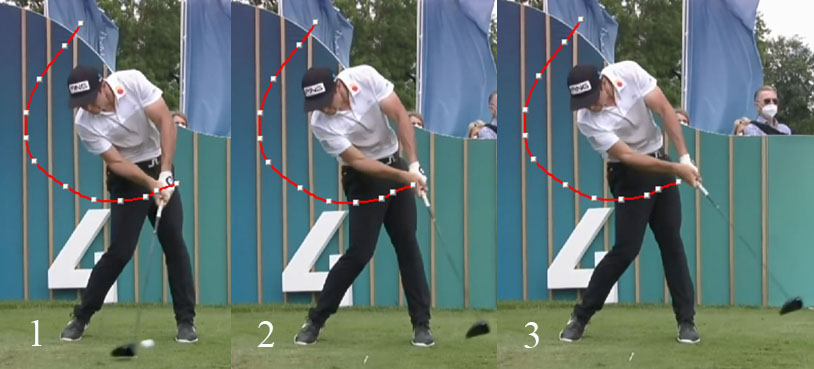
His lead wrist looks slightly extended at P4 (image 1) and even more
extended at P7.4 (image 3). Also, note that if you draw a line down the
length of his lead forearm and extended that line, that his clubshaft has
bypassed his lead forearm by ~10 degrees at P7.2 and ~17 degrees at P7.4
(based on measurements with my Adobe Photoshop software).
So, one could reasonably conclude that a DH-hand release action is always
associated with a finite amount of lead wrist motion in the direction of
extension, but that it is less than the amount that is seen in the flipping
subtype of non-DH hand release action.
In this post I am going to present my opinion on what represents a "high
degree of flipping release", which is the term Brendon wrongly used to
describe Viktor Hovland's hand release action where his lead wrist moves
towards extension between P7 => P7.4.
Let's consider Viktor Hovland's degree of flipping in the first set of
capture images that I presented.
It looks like VH is not flipping between P7 (image 1) => P7.4 (image 4) but I suspect (based on previous NGI forum discussions of this issue) that his lead wrist is moving towards a greater degree of extension between P7 => P7.2 by ~5 - 10 degrees and by >10 degrees between P7 => P7.4.
I then presented another set of capture images of VH when he performed a
flipping subtype of non-DH hand release action.
In this swing action, I estimated that he has 10 degrees of flipping (due to increased lead wrist extension) at P7.2 (image 2) and 17 degrees of flipping at P7.4 (image 3).
That does not represent a "high degree of flipping" from my perspective.
So, let's look at two other pro golfers - Rory McIlroy and Louis
Oosthuizen - who use a flipping subtype of non-DH hand release
action.
Rory McIlroy driver swing video.
Here are capture images of his flipping subtype of non-DH hand release
action that is happening between P7 => P7.4.
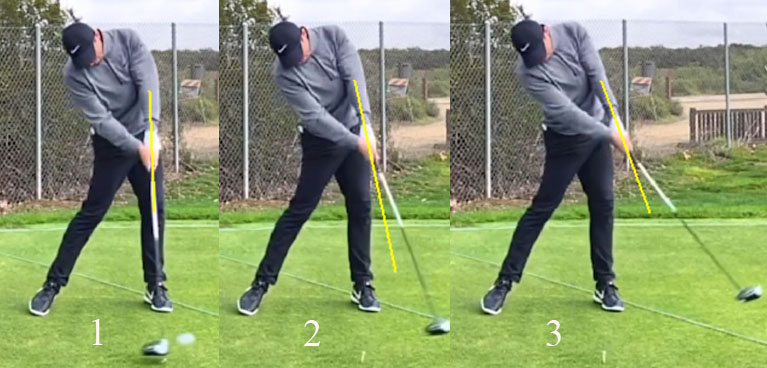
Image 1 is at P7, image 2 is at P7.2 and image 3 is at P7.4.
I have drawn a straight yellow line along the length of his lead forearm and extended it groundwards.
Note that he has 0 degrees of flipping at P7, 10 degrees at P7.2 and 14 degrees at P7.4
Louis Oosthuizen's driver swing video.
Here are capture
images of his flipping subtype of non-DH hand release action that is
happening between P7 => P7.4.
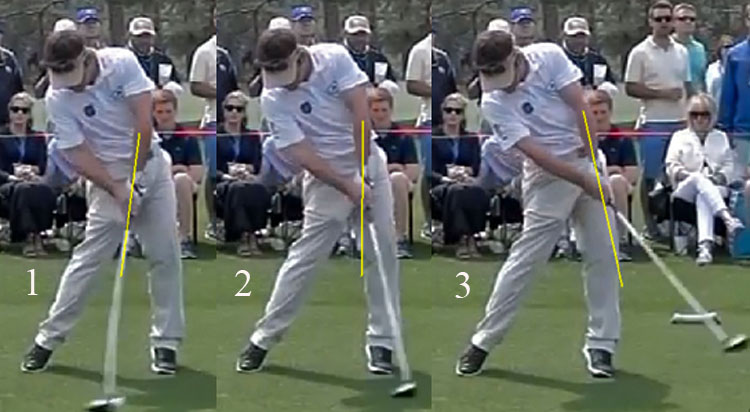
Image 1 is at
P7, image 2 is at P7.2 and image 3 is at P7.4.
I have drawn a straight yellow line
along the length of his lead forearm and extended it
groundwards.
Note that he has 0 degrees of flipping at P7, 16 degrees at P7.2 and 29 degrees at P7.4.
Those measurements represent a "high degree of flipping release" from my perspective - compared to Viktor Hovland and Rory McIlroy.
Brendon inferred that a free/unrestricted release of the club through impact, where the clubshaft rapidly bypasses the lead arm (which he calls a "high degree of flipping release"), is desirable and that it can increase a golfer's ability to maximise his clubhead speed at impact. How is that possible? Louis Oosthuizen has the highest degree of flipping release (compared to Rory McIlroy and Viktor Hovland) - but do you really believe that it is advantageous in terms of swing power (= generating a higher clubhead speed at impact)? How would it work to increase his clubhead speed at impact?
I personally
think that Louis Oosthuizen has a "higher degree of flipping
release" than Rory McIlroy post-impact between P7 => P7.4 simply
because the targetward momentum of his lead arm stalls more
during that time period allowing the clubshaft to more rapidly
bypass the lead arm during the early followthrough.
By the way, I realise that my
flipping measurements are crude because they do not take into
account parallax errors, but they do offer a reasonably accurate
ability to make relative comparisons between different golfers.
Jeffrey Mann.
https://newtongolfinstitute.proboards.com/thread/1151/another-bbg-video-filled-misinformation