Why do pro golfers supinate their trail forearm during the downswing?
In this post I am going to discuss in great detail why pro golfers supinate their trail forearm during the downswing.
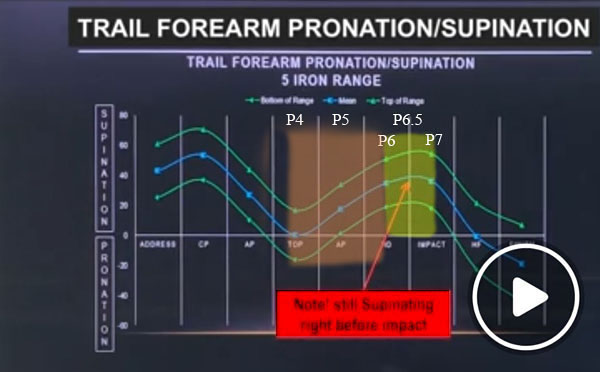
Consider the following graphs produced by Jon Sinclair.
The graphs represent the degree of trail forearm supination/pronation that he measured when he studied ~100 pro golfers using a 3D device.
The blue graph represents the average measurement and the green graphs represent the outer limit range of one standard deviation (which encompasses ~70% of the pro golfers that he studied).
I have added an orange-colored overlay to show the P4 => P6 time period. Note that the average degree of trail forearm rotation is neutral at P4 with some golfers having a small degree of trail forearm supination at P4 (likely due to having their clubshaft pointing left of the target at P4 or being "laid-off" due to a greater degree of lead forearm pronation happening during their end-backswing action) or a small degree of trail forearm pronation (likely due to having their clubshaft positioned across-the-line at P4). Note that they all then supinate their trail forearm between P4 => P6 to roughly the same degree, although they vary in the degree of trail forearm supination that exists at P6.
I have added a yellow-colored overlay to show the P6 => P7 time period. Note that all the pro golfers are increasing their degree of trail forearm supination by a small amount between P6 => P6.5 and then decreasing their degree of trail forearm supination by a small amount between P6.5 => P7 to end up having roughly the same degree of trail forearm supination at P7 that they manifested at P6. Note that none of those pro golfers are pronating their trail forearm between P6 => P7, which many golf instructors wrongly believe is necessary in order to close the clubface relative to the clubhead path so that the clubface becomes square by impact. For years, I have understood why pro golfers supinate their trail forearm between P4 => P6, but I have never understood why they are all increasing their degree of trail forearm supination by a small amount between P6 => P6.5 and then decreasing their degree of trail forearm supination by a small amount between P6.5 => P7 to end up having roughly the same degree of trail forearm supination at P7 that they manifested at P6. I have never seen any golf instructor or golf theorist provide an explanation for that puzzling bold-highlighted phenomenon, which happens routinely in pro golfers. I have recently come up with a rational explanation for that puzzling phenomenon, and I will provide a detailed explanation in this post (with a lot of evidentiary support) that explains why pro golfers routinely manifest that particular pattern of trail forearm supination between P6 => P7.
However, before I provide that detailed explanation, I am going to first discuss why pro golfers supinate their trail forearm between P4 => P6.
Consider these capture images of Dustin Johnson (DJ).
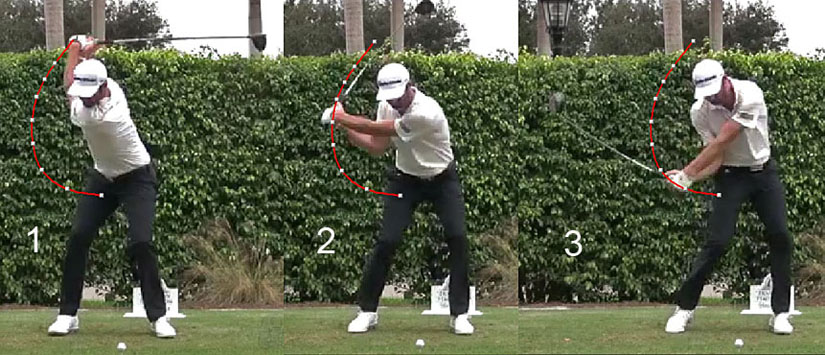
Image 1 is at P4, image 2 is at P5 and image 3 is at P5.5.
The red splined path is his hand arc path.
Note that his lead hand is moving mainly downwards along the hand arc path betweeen P4 => P5.5, and note that it is no closer to the target at P5.5 than it was at P4. What most pro golfers are routinely doing during that P4 => P5.5 time period is that they are accelerating the motion of their lead hand so that it reaches its peak speed at ~P5.5. What they are also routinely doing is avoiding casting the club - and they often maintain a clubhead lag angle (= angle between the lead arm and the clubshaft) of ~90 degree during that P4 => P5.5 time period. How should the trail arm move in synchrony with the lead arm in order to facilitate the retention of a ~90 degree clubhead lag angle between P4 => P7 and avoid casting? I think that the key feature involving the trail arm is that the trail elbow must remain bent at a roughly ~90 degree angle and it must not prematurely straighten. To achieve that goal pro golfers usually adduct their trail upper arm towards their trail shirt seam very fast during the P4 => P5.5 time period so that it reaches the area near their trail shirt seam by ~P5.2 => P5.5. They also simultaneously perform a pitch elbow motion of their trail arm where the trail elbow leads the trail hand and where it is still closer to the target than the trail hand at the P5.5 position - as seen in the capture images of DJ above.
To understand why the trail forearm supinates between P4 => P5.5, one needs to study a pro golfer's P4 => P5.5 time period from a DTL-viewing perspective.
Capture images of Scottie Scheffler (SS) clubshaft's planar shift.
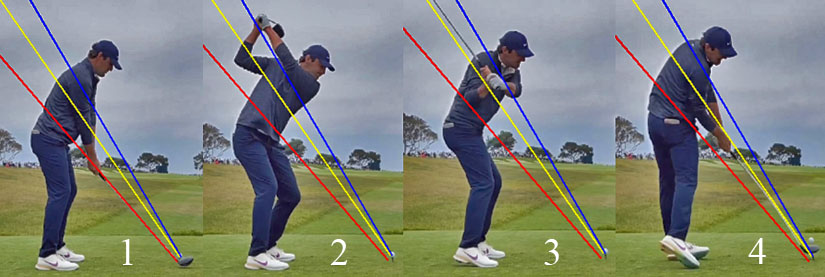
Image 1 is at P1, image 2 is at P4, image 3 is at P5 and image 4 is at P7.
The red planar line is called the hand plane (= his original shaft plane at address). The yellow plane line is the elbow plane and it is drawn through the trail elbow at address. The blue plane line is the turned shoulder plane (TSP) and it is drawn through the trail shoulder socket at the P4 position.
What is critically important to understand is the fact that although these plane lines vary in their degree of steepness, they all have their base on the ball-target line and they therefore represent swingplanes of variable steepness. Note that SS has his clubshaft positioned marginally above the TSP at P4. He then shallows his clubshaft during his early downswing towards a shallower swingplane so that it it slightly above the elbow swingplane by P5. He then continues to shallow his clubshaft further so that it reaches his elbow swingplane by ~P5.5 - P6, and his clubshaft then remains on that same swingplane (now called the functional swingplane) between P6 => P7.
Here are capture image showing how SS's clubshaft will remain on his functional swingplane between P5.5 => P6.5.

Image 1 is at P5.2, image 2 is at ~P5.5, image 3 is at ~P6.2 and image 4 is at P6.5.
Note that SS's clubshaft has reached his functional swingplane by ~P5.5 and it remains continuously on his functional swingplane between P5.5 => P6.5 as he starts to release the club.
What is also very important to understand is that although SS's clubshaft is shallowing during the P4 => P6 time period it is always "on-plane" at every downswing moment between P4 => P6. I only use one definition of an "on-plane" clubshaft - and that is a definition where an imaginary line extended outwards from the end of the clubshaft that is closest to the ground always points at the ball-target line at every instantaneous moment between P4 => P6 and also between P6 => P7 (except when the clubshaft is parallel to the ball-target line at P6).
Here are capture images showing SS's clubshaft shallowing action.

Image 1 is at P4, image 2 is at P5 and image 3 is just after P5.5 (and getting closer to P6).
The red splined path is his hand arc path.
Note how his clubshaft is shallowing between P4 => P5 as his lead hand moves down the hand arc path. Note that his clubshaft continues to shallow more between P5 => P6 and it has shallowed down to the elbow plane by P5.5 => P6.
At every moment between P4 => P6, SS's clubshaft must be "on-plane".
Here is an instantaeous capture image of his clubshaft at the ~P5.5 position.
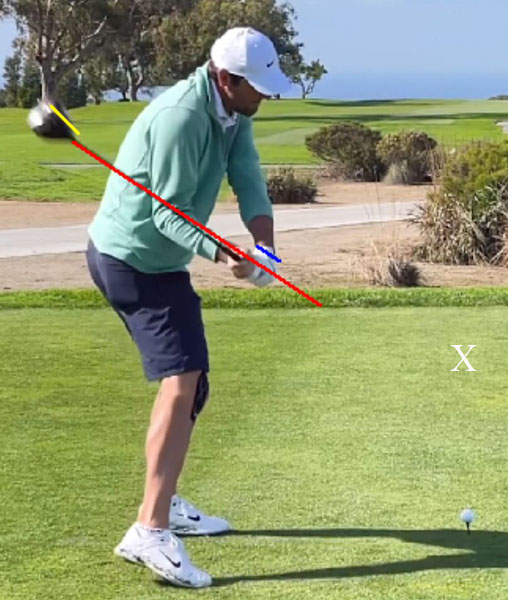
Note that I have drawn a spot on the ground (X) which is located on his ball-target line. I have drawn a red line along the length of his clubshaft and if that red line is extended outwards from the butt end of his clubshaft it will point at point X, which indicates that his clubshaft is "on-plane". If that imaginary line points inside the ball-target line that represents an over-the-plane clubshaft motion, and if it points outside the ball-target line it represents an under-the-plane clubshaft motion.
Most pro golfers, like SS, keep their clubshaft "on-plane" at all moments between P4 => P6 while they are optionally shallowing the clubshaft between P4 => P6 to a variable degree; and also between P6 => P7 when the clubshaft is continuously moving parallel to their functional swingplane.
So, what does the trail hand have to do during SS's clubshaft shallowing action between P4 => P6?
Capture images of SS's early-mid downswing action.
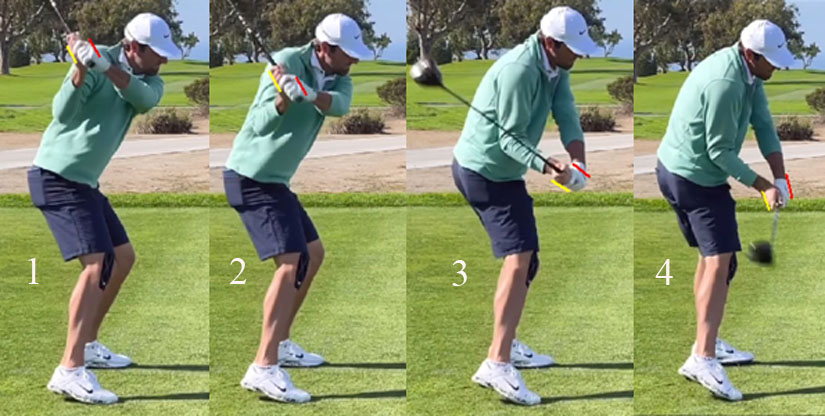
Image 1 is at P4.5, image 2 is at P5, image 3 is at P5.5 and image 4 is at P6.
Note that I have drawn a red line parallel to the back of his lead hand. Note that the red line becomes progressively more horizontal between P4.5 => P5.5 and that requires that SS perform a lead forearm pronatory motion in order to shallow his clubshaft during his P4 => P5.5 time period.
Note that I have drawn a yellow line parallel to the knuckles of his trail hand and that yellow line is continuously parallel to the red line as he progressively shallows his clubshaft between P4.5 => P5.5. That yellow line represents the alignment of his trail palm, which is continuously parallel to his clubshaft which is steadily moving towards a shallower swingplane between P4.5 => P5.5. Note how horizontal his trail palm is at P5.5 compared to P4.5. What makes that biomechanically possible? The correct answer is that he must be progressively supinating his trail forearm while he is adducting his trail upper arm towards his trail shirt seam between P4 => P5.5 and that trail forearm supination phenomenon is clearly visible in image 3. The amount of trail forearm supination required in an individual pro golfer depends on how much he shallows his clubshaft during the P4 => P5.5 time period.
What other biomechanical factor affects the degree of trail forearm supination that happens between P4 => P5.5 if a golfer shallows his clubshaft during that time period?
A significant additional factor that makes it more likely that there will be a greater degree of trail forearm supination happening between P4 => P5.5 is the strength of the trail hand grip.
To make that fact more evident I will compare the clubshaft shallowing action of a pro golfer (Angel Cabrera) who uses a weak trail hand grip to another pro golfer (Dustin Johnson) who uses a strong trail hand grip.
Capture images of Angel Cabrera's clubshaft motion during his clubshaft shallowing action that happens between P4 => P5.5.
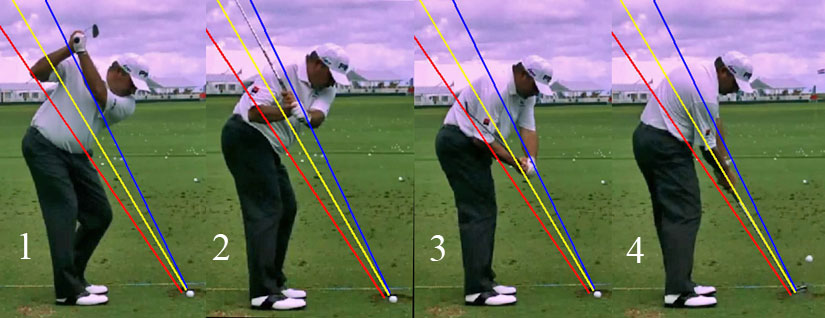
Image 1 is at P4, image 2 is at P5, image 3 is at P5.5 and image 4 is at P7.
The blue line is the TSP, the yellow line is the elbow plane (which is angled at ~58 degrees) and the red line is the hand plane.
Note that AC's clubshaft comes down a steep track (high track) between P4 => P5.5, but he still shallows his clubshaft down to the elbow plane by P5.5.
Here is a capture image showing AC's trail palm alignment (see red line) at P5.5.
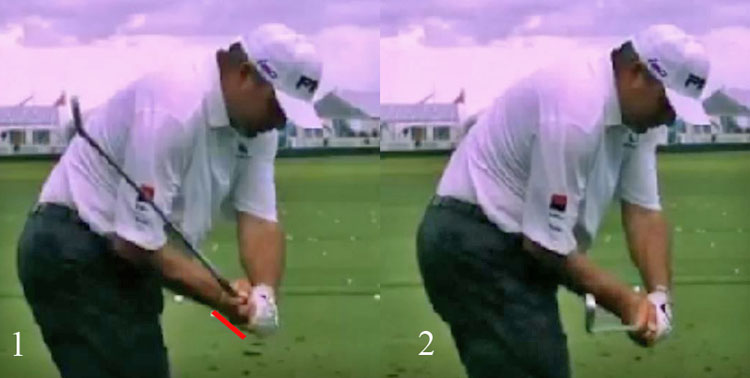
Image 1 is at ~P5.5 and image 2 is very close to his P6 position.
Note that the red line (representing AC's trail palm alignment) is relatively horizontal at P5.5, which requires a finite amount of trail forearm supination.
Capture images of Dustin Johnson's clubshaft motion during his clubshaft shallowing action that happens between P4 => P5.5.
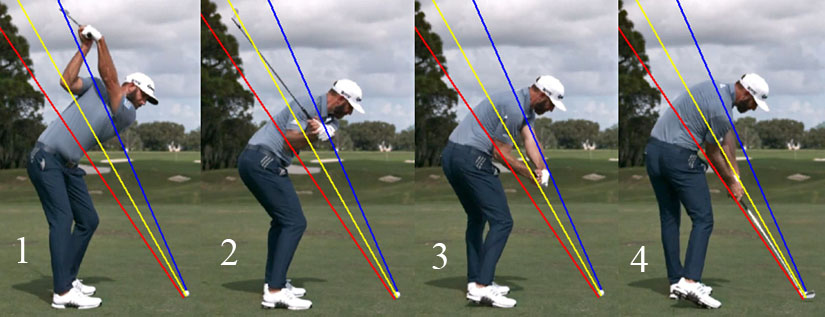
Image 1 is at P4, image 2 is at P5, image 3 is at P5.5 and image 4 is at P7.
The blue line is the TSP, the yellow line is the elbow plane (which is angled at ~58 degrees) and the red line is the hand plane.
Note that DJ's clubshaft comes down a steep track (high track) between P4 => P5.5, but he still shallows his clubshaft down to the elbow plane by P5.5.
Here is a capture image showing DJ's trail palm (see red line) at P5.5.
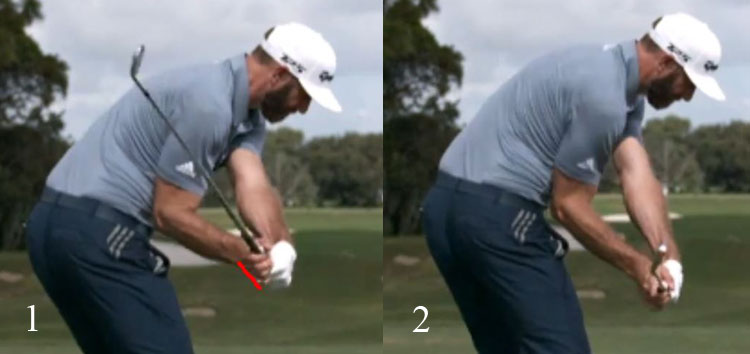
Image 1 is at ~P5.5 and image 2 is very close to his P6 position.
Note that the red line (representing DJ's trail palm alignment) is relatively horizontal at P5.5, which requires a finite amount of trail forearm supination.
I used Photshop's measuring tool to measure the alignment of DJ's trail palm (red line) at P5.5 and it is 10 degrees steeper than AC's trail palm (red line) at his P5.5 position. However, DJ's trail forearm visually appears to be more supinated at P6 than AC's trail forearm at P6 and there must be an additional biomechanical factor in play - which I believe is due to the fact that DJ uses a strong trail hand grip while AC uses a weak trail hand grip. A strong trail hand grip places the trail palm more under the club handle at address, and therefore at P5.5 - P6 which can be seen in image 2 of DJ's capture images. A weak trail hand grip places the trail palm more behind the club handle at address, and therefore at P5.5 - P6 which can be seen in image 2 of AC's capture images.
However, if you look at the back of AC's trail hand in image 2 it looks like it is facing the ground. Does that mean that AC's trail palm is not partially under, and partially behind, his club handle at his P6 position? The correct answer is negative because one has to differentitate between the "true palm area" and the thenar area of the trail palm.
Capture image of the trail (right) palm.
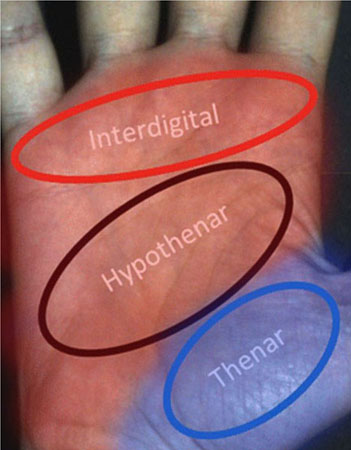
The "true" palm area is colored in red and consists of the interdigital area and the hypothenar area.
The palm area colored in blue is the thenar area and it only represents the thumb's metacarpal palmar area.
When a golfer adopts a strong trail hand grip, where the "true" trail palm area is mainly under the club handle and only partially behind the club handle, the trail palm's thenar area may only be aligned ~30 degrees closed relative to the "true" palm area - see image 2 of DJs capture images. However, if a golfer adopts a weak trail hand grip, where the "true" trail palm is mainly behind the club handle and where only the interdigital area near the base of the 4 fingers is slightly under the club handle, the trail palm's thenar area may be aligned >45 - 60 degrees closed relative to the "true" palm area - see image 2 of AC's capture image where his trail thenar area is rolled over the top of his club handle. That can give an observer the false impression, when he looks at the back of the trail hand from an "above" viewing perspective, that the trail palm is facing the ground. However, that does not happen in pro golfers who shallow their clubshaft between P4 => P6 and who have a supinated trail forearm at P6. At P6, most pro golfers have their "true" trail palm area partially under the club handle and partially behind the club handle so that it appears that the trail palm is facing towards the ball-target line.
Here are capture images of Dustin Johnson (image 1) and Angel Cabrera (image 2) at P6.
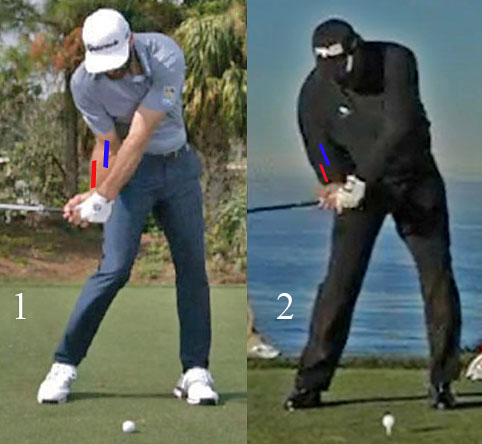
I have drawn a blue line down the middle of their trail antecubital fossa/upper trail forearm and a red line along their trail lower forearm's radial bone, and it shows that both golfers have a supinated trail forearm at their P6 position. DJ's trail forearm appears to be more supinated than AC's trail forearm - for reasons previously explained.
Note that both golfers have their "true" palm area partially facing the ball-target line at P6.
I will now explain why pro golfers increasingly supinate their trail forearm between P6 => P6.5 and then subsequently decrease their degree of trail forearm supination to a small degree between P6.5 => P7.
Consider these capture images showing Dustin Johnson's late downswing between P5.5 => P7.
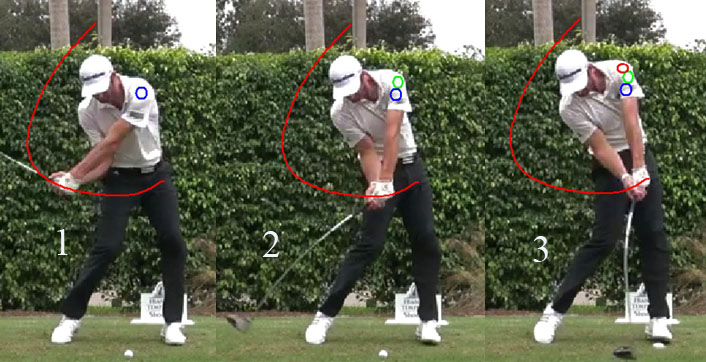
Image 1 is at P5.5, image 2 is at P6.5 and image 3 is at P7.
The red splined path is his hand arc path - note that his hand arc path is relatively horizontal and that his lead hand is moving steadily targetwards during the late downswing. Also, note that DJ is releasing the club (called the release of PA#2 in TGM terminology) so that his clubshaft can can catch up to his lead arm by impact (or nearly catch up to the lead arm if a pro golfer wants to have a small degree of forward shaft lean at impact). The forces/torques needed to successfully complete the release of PA#2 involve the lead arm/hand. One does not need a trail arm to perfectly release PA#2 with great efficiency and timing.
A pro golfer not only wants to perfect his timing of the release of PA#2 between P6 => P7, but he also wants to ensure that the club release phenomenon happens parallel to his functional swingplane between P6 => P7. This can be seen when viewing the golf swing action from a DTL viewing perspective.
Capture images of Dustin Johnson's club release action - as viewed from a DTL viewing perspective - showing how his clubshaft remains on his functional swingplane between P6 => P7 while his club releases.

Image 1 is at P6, image 2 is at P6.1, image 3 is at P6.3, image 4 is at P6.5 and image 5 is at P7.
It is biomechanically possible to keep the clubshaft continuously on the functional swingplane (FSP) between P6 => P7 without a trail arm, but if the trail arm moves in the optimum manner it can better ensure that the clubshaft remains continuously on the functional swingplane (FSP) between P6 => P7. It is obvious that the trail arm must partially straighten between P6 => P7, but how should the trail forearm move between P6 => P7 when the clubshaft is releasing parallel to his FSP? Note that DJ's trail palm is partially under, and partially behind, the club handle at P6 - and note that his trail palm is facing the ball-target line at P6. Note that his trail palm remains in exactly the same positional orientation with respect to his club handle between P6 => P7 - it is always partially under, and partially behind, his club handle. However, note that his trail palm is facing the ball-target line at P6, then facing 45 degrees to the right at P6.5 and then facing the target at P7. How must the trail forearm move to allow for that changing orientation of the trail palm while the clubshaft remains continuously on his FSP?
Here is the answer - as viewed from a face-on viewing perspective.

Image 1 is at P6, image 2 is at P6.5 and image 3 is at P7.
Note that his trail palm remains partially under the club handle between P6 => P7, but it is facing the ball-target line at P6, facing 45 degrees to the right at P6.5 and facing the target at P7.
I have drawn a blue line down the middle of his trail antecubital fossa/upper trail forearm and a red line along his trail lower forearm's radial bone.
Note that his trail forearm is supinated by a finite amount at P6, and that it becomes increasingly supinated by P6.5.
Why?
Note that his lead hand and trail hand are moving ~6" targetwards between P6 => P6.5 while his club is starting to increasingly release on his FSP. When DJ's club releases parallel to the FSP between P6 => P6.5 the clubshaft/club handle is moving slightly outwards and slightly downwards and by P6.5 it is angled 45 degrees to the right. Note that to keep his trail palm in exactly the same positional alignment relative to his club handle as the club handle moves outwards-and-downwards to become oriented 45 degrees to the right at P6.5, that his trail arm has to partially straighten and his trail forearm has to supinate slightly more. Note that his trail upper forearm is angled more to the right by P6.5, but that is primarily due to body rotation and his trail upper arm is still neutral relative to his torso.
Then, note what happens between P6.5 => P7. His trail hand has moved another ~6" targetwards, which means that his trail arm must straighten even more. His trail upper arm is still neutral relative to his body, but his trail upper forearm is angled more targetwards by P7. His trail palm has remained in exactly the same positional orientation with respect to his club handle, but his club handle is now oriented roughly perpedicular to the ball-target line at P7 when it was angled 45 degrees to the right at P6.5. Note that his trail forearm must become slightly less supinated by P7 (when compared to P6.5) as his trail palm changes its directional orientation by 45 degrees in a counterclockwise direction between P6.5 => P7. Note that his trail forearm is roughly supinated to the same degree at P7 compared to P6.
I will now consider some biomechanical factors that affect the degree of trail forearm supination existing at P6, P6.5 and P7 in a pro golfer.
Here is a capture image of Rory McIlroy at his P6 position.
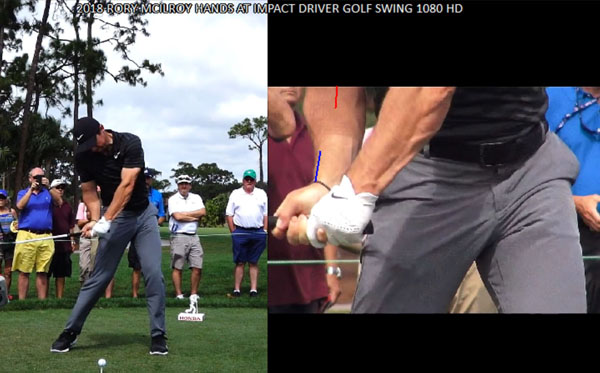
I have drawn a red line down the middle of his trail antecubital fossa/upper trail forearm and a blue line along his trail lower forearm's radial bone.
Note that his trail forearm is supinated at his P6 position.
There are a number of biomechanical factors that would predispose Rory McIlroy (RM) to having less trail forearm supination at his P6 position than Dustin Johnson (DJ) at his P6 position. Note that RM's trail upper arm is neutral at P6 with his trail elbow positioned slightly away from his trail shirt seam while DJ's trail upper arm is externally rotated to a small degree at his P6 position and his trail elbow is in front of his trail hip joint area. Secondly, RM uses a much weaker trail hand grip than DJ and that will decrease the amount of trail forearm supination that would likely be present at P6 (for reasons previously explained).
Here is a capture image of Rory McIlroy at his P6.5 position.
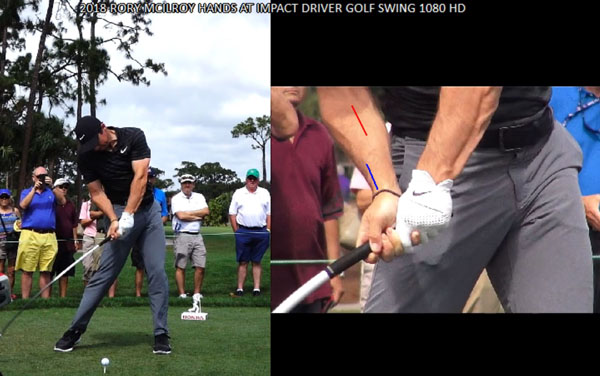
Note that his trail upper arm is more internally directed towards the target and that angles his trail upper forearm in a more targetwards direction.
Note that his degree of trail forearm supination has increased as his trail palm still has to reach the same position on his club handle, while the club handle has moved outwards-and-downwards to become angled at a 45 degree angle at his P6.5 position.
Here is a capture image of Rory McIlroy at his P7 position.
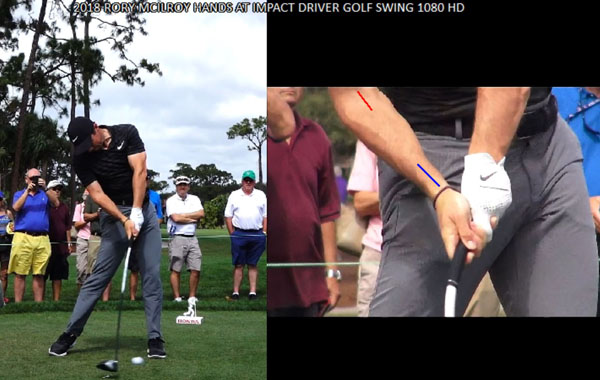
Note that his trail forearm is still slightly supinated, but slightly less in degree compared to P6.5 and very similar to the amount that existed at his P6 position. Note that RM's degree of trail forearm supination at his P7 position is less than the degree of DJs trail forearm supination at his P7 position - but that is not surprising when one considers the fact that RM uses a much weaker trail hand grip than DJ.
Both Rory McIlroy and Dustin Johnson use a moderately strong lead hand grip. However some pro golfers - like Will Zalatoris (WZ) and Scottie Scheffler (SS) - use a weak lead hand grip.
Here are capture images of WZ and SS at their P5.7 position.
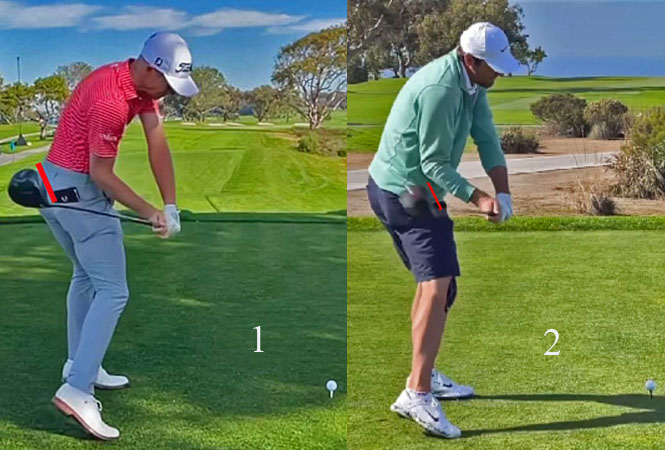
Note that I have drawn a short red line parallel to their clubface, which shows that their clubface is still wide open relative to their clubhead path at ~P5.7. Note that both WZ and SS do not use an artificial clubface-closing technique (eg. reverse motorcycle move) during their early-mid downswing action.
So, both WZ and SS are going to have to perform a large degree of clubface closing action between P5.7 => P7 in order to square their clubface relative to their clubhead path by impact.
How do they achieve that goal?
A surprisingly large number of golf instructors believe that pro golfers (especially those who use a weak-to-neutral lead hand grip) close their clubface relative to their clubhead path during the later downswing by performing a counterclockwise rotation of their trail forearm in a pronatory direction.
Here is an example of a golf instructor (Eric Cogorno) teaching that technique.
In that video, Eric Cogorno states that if the clubface is very open (= more open than the average amount) at the P6 position that a golfer must start to pronate the trail forearm sooner and by a larger amount.
If Eric is correct, then one would expect to see that right forearm pronatory phenomeon happening in WZ's and SS's late downswing between P6 => P7 because they have a very open clubface (relative to their clubhead path) at their P6 position.
Here are the true "real life" facts.
Capture images of Will Zalatoris' trail forearm rotary motion between P6 => P7.
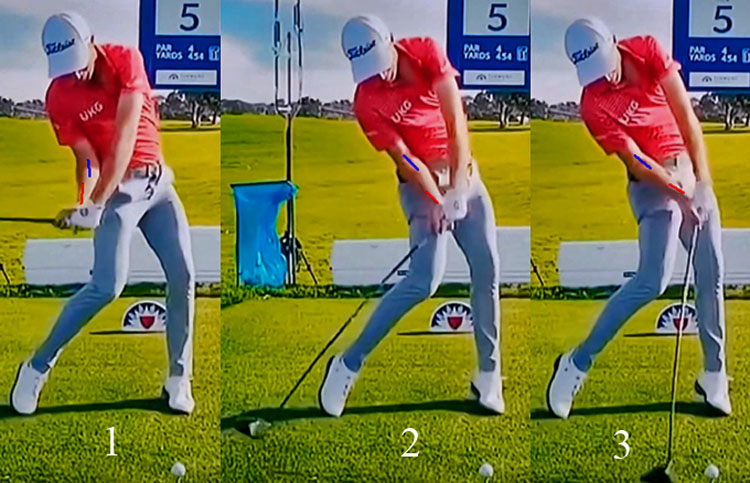
Capture images of Scottie Scheffler's trail forearm rotary motion between P6 => P7.

I have drawn a blue line down the middle of their trail antecubital fossa/upper trail forearm and a red line along their trail lower forearm's radial bone.
Note that they are both increasingly supinating their trail forearm between P6 => P6.5 and then slightly decreasing their amount of trail forearm supination between P6.5 => P7 so that it it becomes similar in amount to the amount that existed at P6 (in the same manner as seen in Dustin Johnson's and Rory Mcilroy's late downswing action). There is zero evidence to support Eric Cogorno's opinion that a right forearm pronatory motion is used in pro golfers to square the clubface by impact.
What biomechanical technique do WZ and SS use to close their clubface relative to their clubhead path between P6 => P7?
They both use the "standard" technique routinely used by pro golfers who adopt a weak-to-neutral lead hand grip, and which can be seen in these Jon Sinclair-sourced graphs (based on his study of >100 pro golfers).
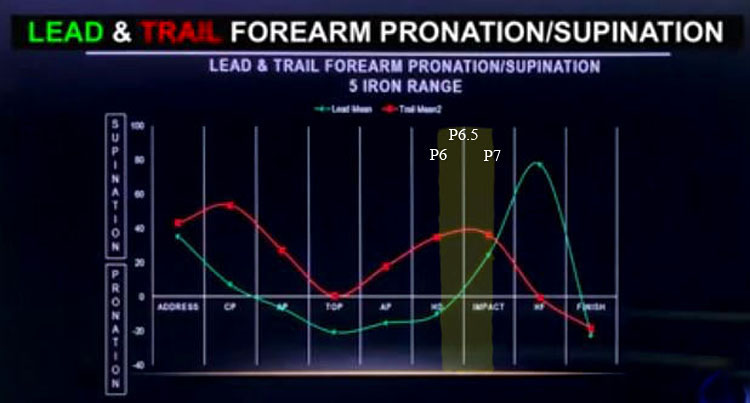
The green graph shows the lead forearm supinating between P6 => P7 while the red graph shows that the trail forearm is still increasingly supinating to a small degree between P6 => P6.5 before decreasing its degree of supination by a very small amount between P6.5 => P7. Note that there are two phases of lead forearm supination regarding the degree of lead forearm supination happening - a slow phase between P6 => P6.5 and a much faster phase between P6.5 => P7. The slow phase represents the small amount of lead forearm supination that is required between P6 => P6.5 in order to ensure that the releasing club remains parallel to the FSP. The large amount of lead forearm supination happening between P6.5 => P7 is causally responsible for closing the clubface relative to the clubhead path by impact. That can be readily seen in the capture images of WZ's and SS's P6.5 => P7 time period where the degree of counterclockwise rotation of their lead hand (which is secondary to lead forearm supination) correlates with the degree of clubface closing (relative to the clubhead path) seen during that P6.5 => P7 time period. If a pro golfer (who uses a weak-to-neutral lead hand grip) over-supinated his lead forearm between P6 => P6.5 it would cause the clubshaft to "tumble" in an over the-plane manner and he would not be able to keep the clubshaft moving continuously parallel to his FSP. There is another reason why a pro golfer (who uses a weak-to-neutral lead hand grip) delays the rapid phase of lead forearm supination so that it only happens after P6.5 - the clubhead end of the clubshaft is traveling very fast by P6.5 and the degree of clubhead lag angle is far less by P6.5, and that means that the MOI (moment of inertia) resisting a rotation of the clubshaft about its longitudinal axis will be far less at P6.5, and that consequently means that the amount of active rotary torque needed to rotate the clubshaft about its longitudinal axis will be far less after P6.5.
Because WZ and SS use a weak-to-neutral trail hand grip where the trail palm is parallel to the lead palm across the club handle, that means that the trail palm must be rotating counterclockwise as much as the lead palm between P6.5 => P7. How is that possible if the trail forearm is not rotating a lot counterclockwise between P6.5 => P7. I believe that the requisite amount of trail palm rotation seen between P6.5 => P7 in their capture images is primarily due to a trail wrist circumductory roll motion happening as their trail wrist straightens during that time period. Note that WZ and SS manifest the same degree of trail wrist straightening action and trail palm rotary motion between P6.5 => P7, and the only difference is that SS's trail wrist is proportionately straighter at every moment between P6.5 => P7. Why? Note that WZ gets his trail shoulder socket further downplane by P6.5 (compared to SS) because he has more right lateral bend and a more open pelvic/upper torso alignment, and that allows him to have more trail arm bend and trail wrist extension (compared to SS) at every comparable P position during the later downswing.
Concluding remarks-:
Many golf instructors believe that pro golfers use a pronatory motion of their trail forearm between P6 => P7 in order to square the clubface by impact. However, Jon Sinclair's research evidence shows that pro golfers are actually increasing their degree of trail forearm supination between P6 => P6.5, which is not compatible with that "trail forearm clubface-closing" theory. I believe that pro golfers increasingly supinate their trail forearm between P6 => P6.5 before slightly decreasing their degree of trail forearm supination between P6.5 => P7 in order to ensure that their clubshaft remains parallel to the functional swingplane between P6 => P7 and to avoid any tendency to "tumble" their clubshaft over-the-plane during the late downswing between P6 => P7.
In a future post - https://perfectgolfswingreview.net/TrailForearmMotionPost.html - I will analyse the opinions of golf instructors (like Terry Rowles and Milo Lines) who believe that the trail forearm must perform a counterclockwise rotary motion in a pronatory direction between P6 => P7 in order to close the clubface relative to the clubhead path so that the clubface can be squared by impact - because I now increasingly believe that their opinions are factually incorrect.
Jeffrey Mann.
https://newtongolfinstitute.proboards.com/thread/1225/why-golfers-supinate-trail-forearm